


Nintendo’s latest patent filings reveal a surprising shift in the company’s approach to backwards compatibility, suggesting the gaming giant is preparing for significant changes to its console architecture. The patents, discovered in recent Japanese filing records, detail advanced emulation techniques and hybrid software-hardware solutions that could reshape how future Nintendo systems handle older games.
These technical documents paint a picture of Nintendo moving beyond simple backwards compatibility toward what industry analysts are calling “universal legacy support” – a system that could potentially run games from multiple console generations with enhanced performance and features. The timing of these patents, filed just as the Switch approaches its seventh year on the market, signals Nintendo’s preparation for its next major hardware transition.
Revolutionary Emulation Architecture
The most significant patent describes a sophisticated emulation framework that differs dramatically from Nintendo’s previous approaches. Unlike the Switch’s limited backwards compatibility with select digital titles, this new system appears designed to handle physical cartridges and digital games across multiple hardware generations simultaneously.
The technical specifications outline a modular emulation system that can adapt processing methods based on the game being played. This suggests Nintendo is developing hardware capable of switching between different architectural modes – potentially supporting everything from Game Boy titles to Switch games within a single system. The patent details methods for optimizing older games with modern features like higher frame rates and resolution scaling.
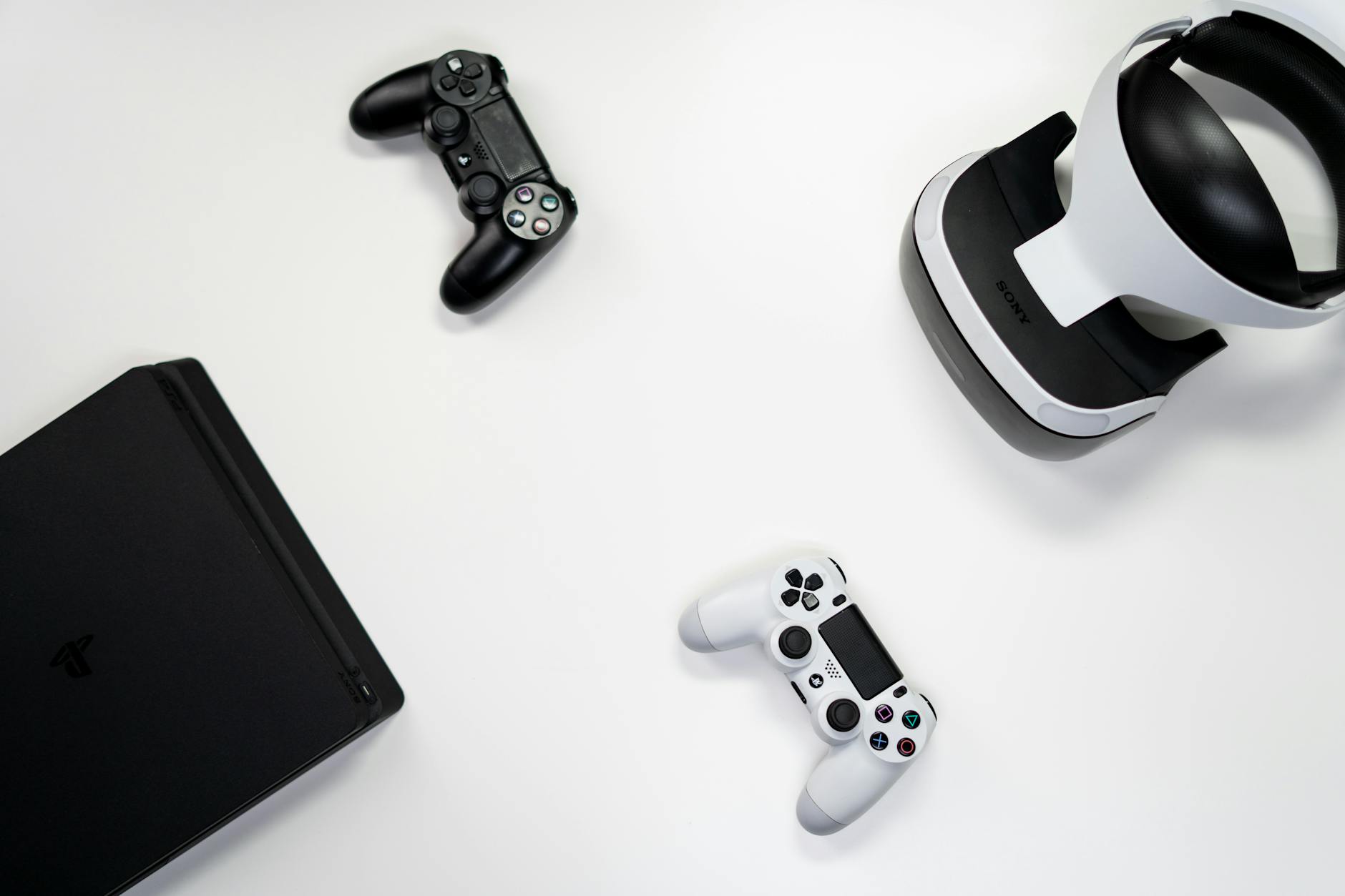
Most intriguingly, the documents describe “legacy peripheral integration,” suggesting future Nintendo systems could support controllers and accessories from previous generations. This aligns with broader industry trends toward standardization, similar to how fighting game tournaments are moving to wireless controller standards for better compatibility across platforms.
Hardware-Software Hybrid Solutions
Nintendo’s patents reveal a two-pronged approach combining dedicated hardware components with advanced software emulation. The system includes specialized chips designed to handle specific legacy operations while relying on software solutions for more general compatibility tasks. This hybrid approach could solve long-standing issues with emulation accuracy while maintaining cost-effectiveness.
The documents detail how the system would identify games automatically and apply appropriate compatibility profiles. Each profile contains optimized settings for frame rates, control schemes, and display options. This suggests Nintendo is building a comprehensive database of compatibility adjustments for thousands of titles across their gaming history.
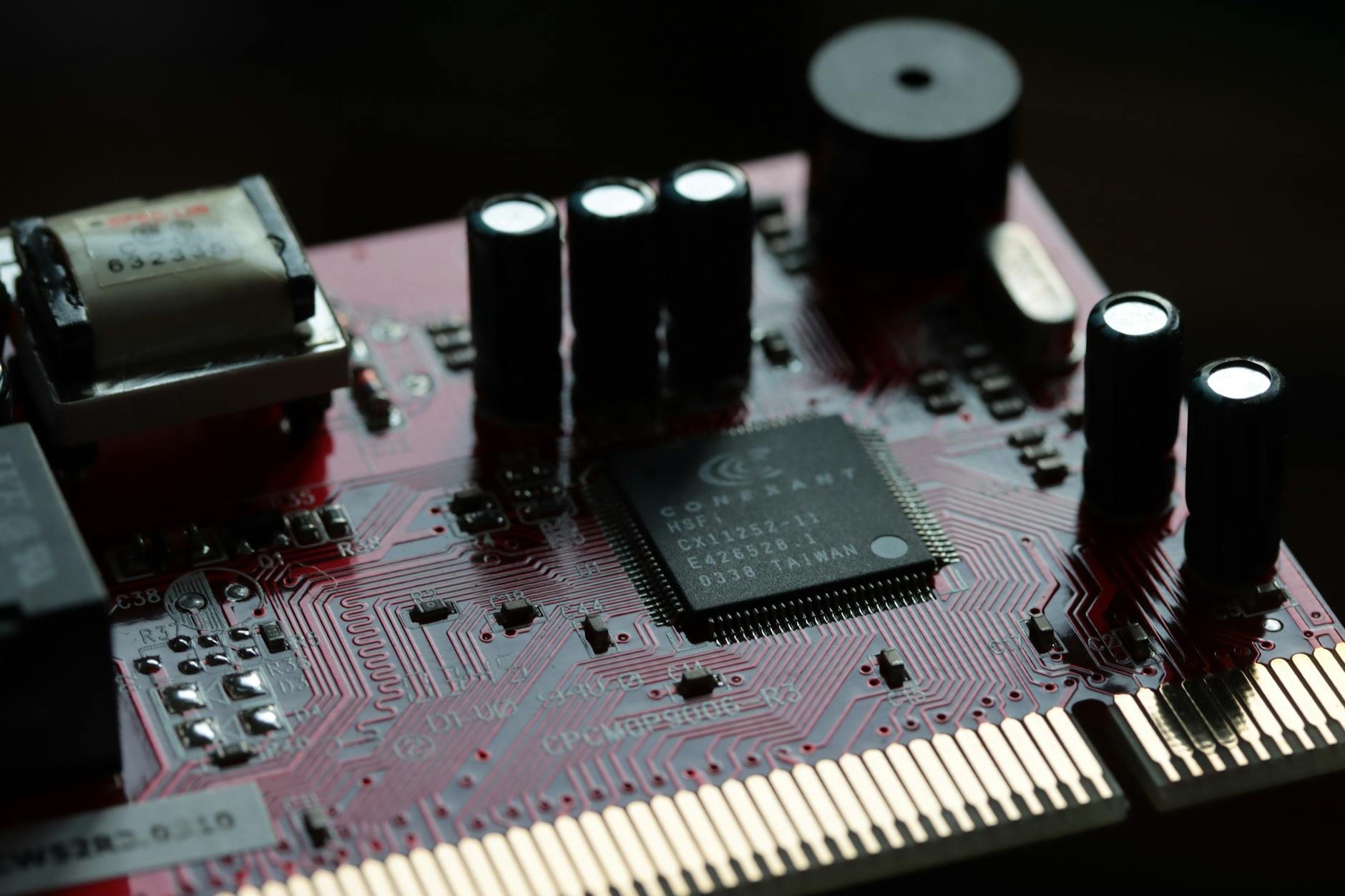
Perhaps most significantly, the patents describe methods for enhancing older games with modern graphics features. This includes texture filtering, anti-aliasing, and even basic ray tracing effects for supported titles. While mobile GPUs are finally matching console quality in ray tracing capabilities, Nintendo’s approach focuses on selective enhancement rather than full modern rendering pipelines.
Digital Preservation and Market Strategy
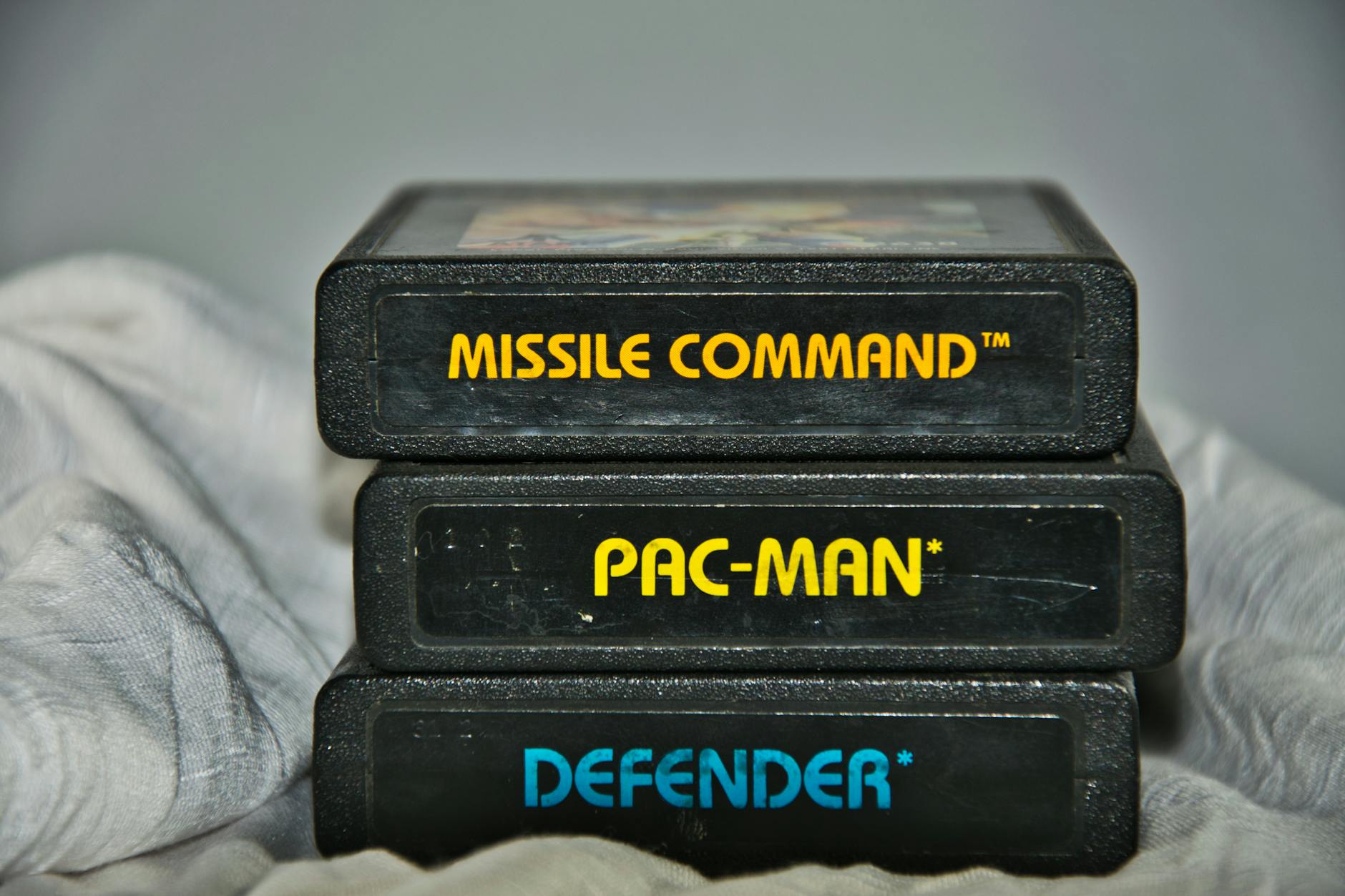
These patents suggest Nintendo is taking digital preservation seriously, potentially addressing years of criticism about limited access to classic games. The system described could support direct cartridge reading for older systems, eliminating the need for individual game re-releases or subscription services for basic backwards compatibility.
The business implications are substantial. A console with comprehensive backwards compatibility could command premium pricing while reducing Nintendo’s reliance on remasters and re-releases. Instead of selling the same games repeatedly across different platforms, Nintendo could focus on new content while maintaining access to their extensive back catalog.
The patents also describe methods for integrating modern online features with legacy titles. This includes adding achievement systems, save states, and even online multiplayer to games that originally lacked these features. Such capabilities could breathe new life into classic Nintendo franchises and create new revenue opportunities through enhanced legacy experiences.
Timeline and Industry Impact
Patent timing suggests Nintendo is preparing these technologies for implementation within the next two to three years. The Switch’s continued success gives Nintendo flexibility in timing their next console launch, but these patents indicate active development of next-generation hardware is well underway.
The broader gaming industry is watching Nintendo’s moves closely. Sony and Microsoft have struggled with backwards compatibility across their console generations, often requiring complex workarounds or limiting support to specific titles. If Nintendo successfully implements comprehensive legacy support, it could pressure competitors to invest more heavily in similar technologies.
These developments come as the gaming industry grapples with preservation challenges. Many classic games become inaccessible as hardware ages and digital storefronts close. Nintendo’s patent approach suggests a sustainable solution that could keep decades of gaming history accessible on modern hardware.
The patents represent more than technical innovation – they signal Nintendo’s commitment to its gaming legacy while preparing for future hardware transitions. As the company approaches major architectural changes, comprehensive backwards compatibility could ease consumer concerns about platform switching and game library preservation.
Nintendo’s backwards compatibility patents reveal ambitious plans that could fundamentally change how console generations transition. By solving legacy support through innovative hardware-software integration, Nintendo positions itself to maintain gaming history accessibility while pushing forward with next-generation capabilities. The success of this approach could influence industry standards for years to come.
Frequently Asked Questions
What makes Nintendo’s new backwards compatibility different?
The patents describe hybrid hardware-software solutions that can enhance older games with modern features like higher frame rates and improved graphics.
When will Nintendo implement these backwards compatibility features?
Based on patent timing, these technologies could appear in Nintendo’s next console within two to three years.
