


Intel’s latest Meteor Lake processors mark the chipmaker’s most ambitious architectural overhaul in a decade, delivering the first truly integrated hybrid processing platform for mainstream laptops. After years of struggling against ARM-based competitors and Apple’s M-series chips, Intel has finally created a processor that matches the efficiency gains of its rivals while maintaining x86 compatibility.
The Meteor Lake architecture represents a fundamental shift from Intel’s traditional monolithic chip design. Instead of cramming everything onto a single piece of silicon, Intel now uses a modular “tile” approach that combines different manufacturing processes and specialized computing units on one package. This disaggregated design allows Intel to optimize each component separately while maintaining seamless communication between them.
What makes Meteor Lake genuinely revolutionary is its integration of four distinct processing tiles: the CPU tile with performance and efficiency cores, a dedicated GPU tile, an AI accelerator tile, and an I/O tile for connectivity. This configuration enables laptops to intelligently distribute workloads across specialized hardware, dramatically improving both performance and battery life.
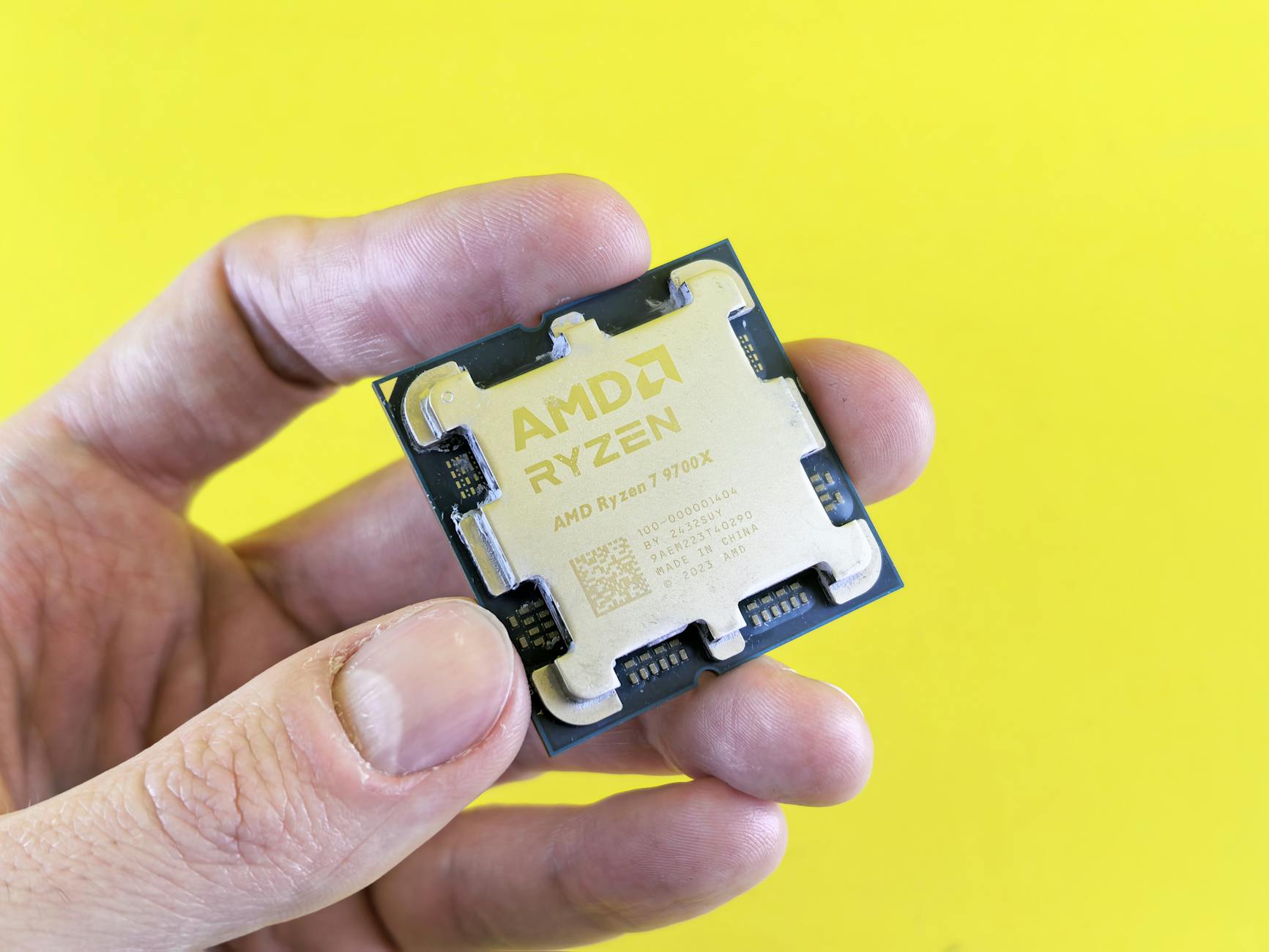
The Multi-Tile Revolution Changes Everything
Traditional processors force all components to use the same manufacturing process node, creating compromises across the entire chip. Intel’s new tile-based approach breaks this limitation by manufacturing each tile using the most appropriate process technology. The CPU cores use Intel’s advanced 4nm process, while the I/O components utilize a more mature and cost-effective node.
This architectural flexibility delivers immediate benefits. The performance cores handle demanding applications like video editing and gaming, while efficiency cores manage background tasks and light workloads. The dedicated GPU tile provides integrated graphics performance that rivals discrete cards from just a few years ago, eliminating the need for separate graphics chips in many laptops.
The AI tile represents Intel’s response to the growing demand for on-device machine learning capabilities. Rather than relying on cloud-based AI services, laptops can now process AI workloads locally, reducing latency and improving privacy. This local AI processing enables features like real-time video enhancement, intelligent background blur, and advanced speech recognition without sending data to external servers.
Intel’s disaggregated design also solves a persistent problem in laptop manufacturing: thermal management. By spreading heat-generating components across multiple tiles, thermal bottlenecks become less severe. The system can boost individual tiles independently without overwhelming the entire processor, maintaining higher performance levels for longer periods.
Efficiency Cores Finally Make Sense
Previous Intel hybrid designs felt like marketing exercises rather than genuine innovations. The efficiency cores in older processors offered minimal battery life improvements while creating scheduling headaches for operating systems. Meteor Lake changes this dynamic by making efficiency cores genuinely useful.
The new efficiency cores handle approximately 80% of typical laptop workloads while consuming a fraction of the power required by performance cores. Web browsing, document editing, email management, and media playback all run smoothly on efficiency cores, reserving the powerful cores for truly demanding tasks.
Windows 11’s Thread Director technology works in tandem with Meteor Lake’s hybrid design, automatically routing tasks to the most appropriate cores. The operating system learns usage patterns and preemptively assigns workloads, creating a seamless experience that users don’t need to manage manually.

This intelligent task distribution delivers tangible benefits. Laptops running Meteor Lake processors routinely achieve 15-20 hours of battery life during typical office productivity tasks, matching the endurance of ARM-based competitors while maintaining full compatibility with existing Windows software.
The efficiency improvements extend beyond battery life. Laptops run cooler and quieter because high-performance cores activate only when necessary. This thermal efficiency allows manufacturers to design thinner laptops without sacrificing performance, addressing the longstanding trade-off between portability and computing power.
Integrated Graphics Finally Challenge Discrete Cards
Intel’s Arc graphics architecture, integrated directly into Meteor Lake processors, represents another significant leap forward. The dedicated GPU tile delivers performance comparable to entry-level discrete graphics cards while consuming significantly less power.
Modern games run smoothly at 1080p resolution with medium settings, while creative applications like Adobe Premiere Pro and Blender benefit from hardware-accelerated rendering. The integrated graphics also support the latest display technologies, including 4K monitors and high refresh rate panels, without requiring additional hardware.
The GPU tile’s efficiency particularly benefits content creators and remote workers. Video conferencing applications can apply AI-powered background effects and noise cancellation without impacting CPU performance. Multiple external monitors connect seamlessly, supporting complex workflows that previously required discrete graphics solutions.
Ray tracing capabilities, once exclusive to high-end discrete cards, now work on integrated graphics. While not suitable for the most demanding games, ray tracing adds visual polish to lighter titles and enables realistic lighting in professional visualization applications.
This integrated graphics performance matters for a broader reason: it enables manufacturers to create truly thin and light laptops without performance compromises. Similar to how ARM processors have transformed Chromebook capabilities, Intel’s integrated GPU eliminates the need for discrete graphics in most laptop configurations.
The Software Ecosystem Catches Up
Hardware improvements mean nothing without software optimization, and Intel has worked extensively with developers to maximize Meteor Lake’s potential. Major applications now recognize the hybrid architecture and automatically distribute workloads across available processing resources.
Adobe’s Creative Suite applications leverage the AI tile for content-aware features and automated editing tasks. Microsoft Office uses efficiency cores for document processing while reserving performance cores for complex calculations and data analysis. Even browser-based applications running WebAssembly benefit from intelligent core scheduling and GPU acceleration.
Developer tools and programming environments show particularly impressive improvements. Code compilation distributes across multiple cores while syntax highlighting and real-time error checking run efficiently on background cores. The AI tile accelerates code completion and automated refactoring, making development workflows significantly faster.
Gaming performance scales intelligently based on power settings and thermal conditions. Laptops automatically adjust core frequencies and graphics settings to maintain smooth framerates while maximizing battery life. This dynamic optimization means users don’t need to manually switch between performance and battery modes.
The enterprise software ecosystem has embraced Meteor Lake’s capabilities as well. Video conferencing platforms utilize the AI tile for background processing while maintaining CPU resources for primary applications. Virtual desktop infrastructure runs more efficiently, supporting more concurrent users per server.
Looking Forward: The New Laptop Standard
Meteor Lake establishes a new performance baseline for laptop processors, forcing competitors to match its combination of efficiency and capability. The architecture proves that x86 processors can achieve ARM-level efficiency without sacrificing software compatibility or raw performance.
Intel’s success with Meteor Lake likely influences the entire laptop industry’s direction. Manufacturers can now create devices that match MacBook Air battery life while running full Windows applications and supporting enterprise software requirements. This capability addresses the primary weakness that has held back Windows laptops in recent years.
The modular tile approach also enables future innovations without complete architectural overhauls. Intel can upgrade individual tiles using newer manufacturing processes or add specialized accelerators for emerging workloads like cryptocurrency processing or advanced AI models. This flexibility should extend Meteor Lake’s relevance far beyond typical processor lifecycles.
As software developers continue optimizing for hybrid architectures and AI acceleration, Meteor Lake processors will become even more capable over time. The foundation Intel has built supports years of performance improvements through software updates alone, making current Meteor Lake laptops increasingly valuable investments.
Frequently Asked Questions
What makes Intel Meteor Lake different from previous processors?
Meteor Lake uses a tile-based architecture with separate CPU, GPU, AI, and I/O components, enabling better efficiency and specialized processing.
How does Meteor Lake improve laptop battery life?
The hybrid design with efficiency cores handles most tasks using minimal power, while performance cores activate only for demanding applications.
