


The Kindle Paperwhite has dominated bedtime reading for over a decade, but a new generation of digital paper tablets is challenging Amazon’s e-reader empire. These larger, more versatile devices combine the eye-friendly e-ink displays readers love with productivity features that transform how people work and create digitally.
Digital paper tablets like the reMarkable 2, Kobo Elipsa, and Amazon’s own Kindle Scribe represent a fundamental shift from pure reading devices to hybrid work-and-leisure tools. Unlike traditional 6-inch e-readers, these tablets typically feature 10-13 inch screens with stylus support, turning them into digital notebooks that happen to excel at reading books.
The timing reflects broader changes in how people consume content. Remote work normalized writing and sketching on tablets, while supply chain issues made premium paper notebooks expensive and hard to find. Digital paper tablets fill this gap with the familiar feel of writing on paper but none of the physical limitations.
Beyond Books: The Productivity Revolution
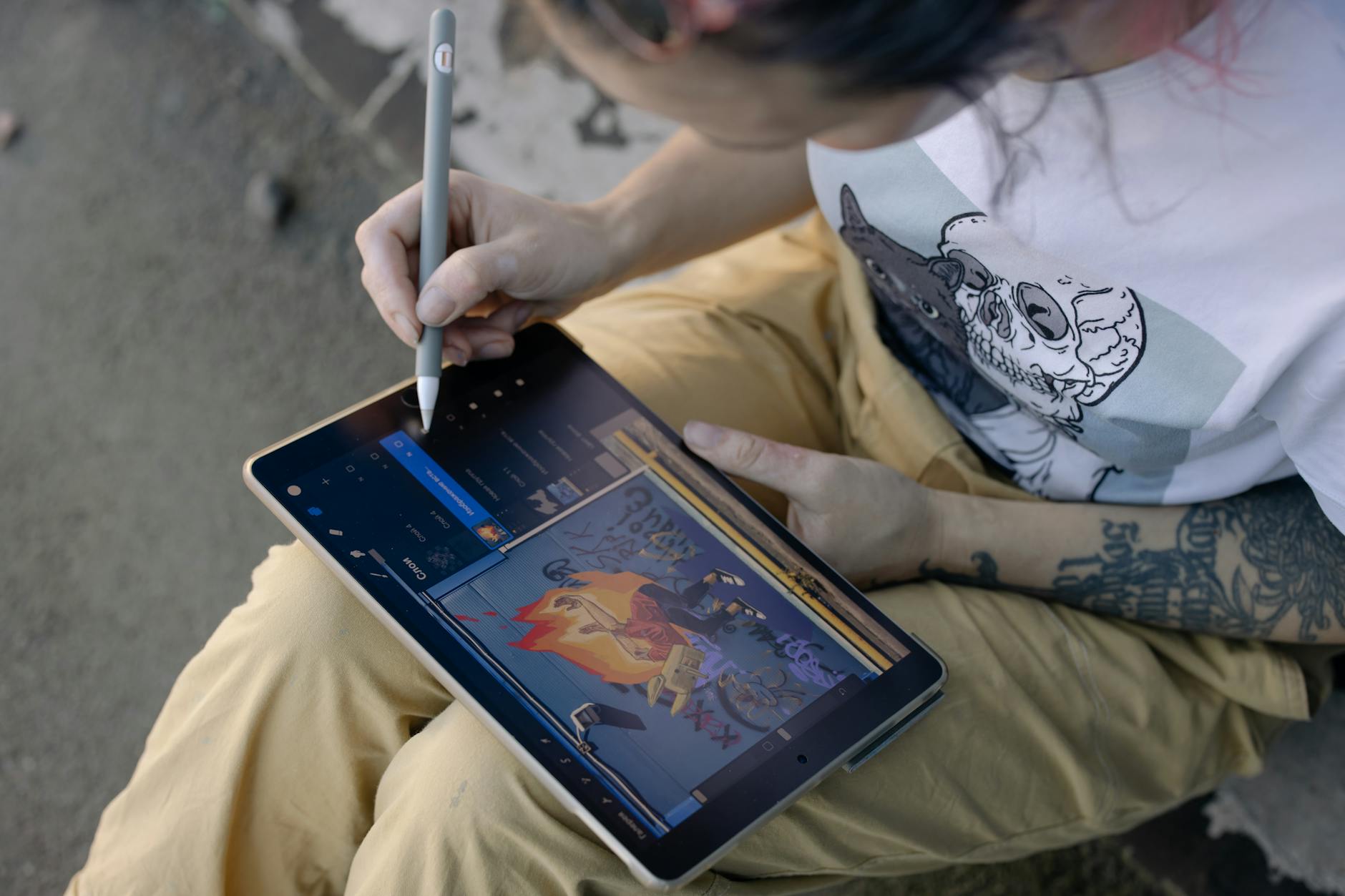
Traditional e-readers serve one purpose well – displaying text clearly without eye strain. Digital paper tablets expand this mission dramatically. Users can annotate PDFs, sketch diagrams, take meeting notes, and read technical documents with equal ease.
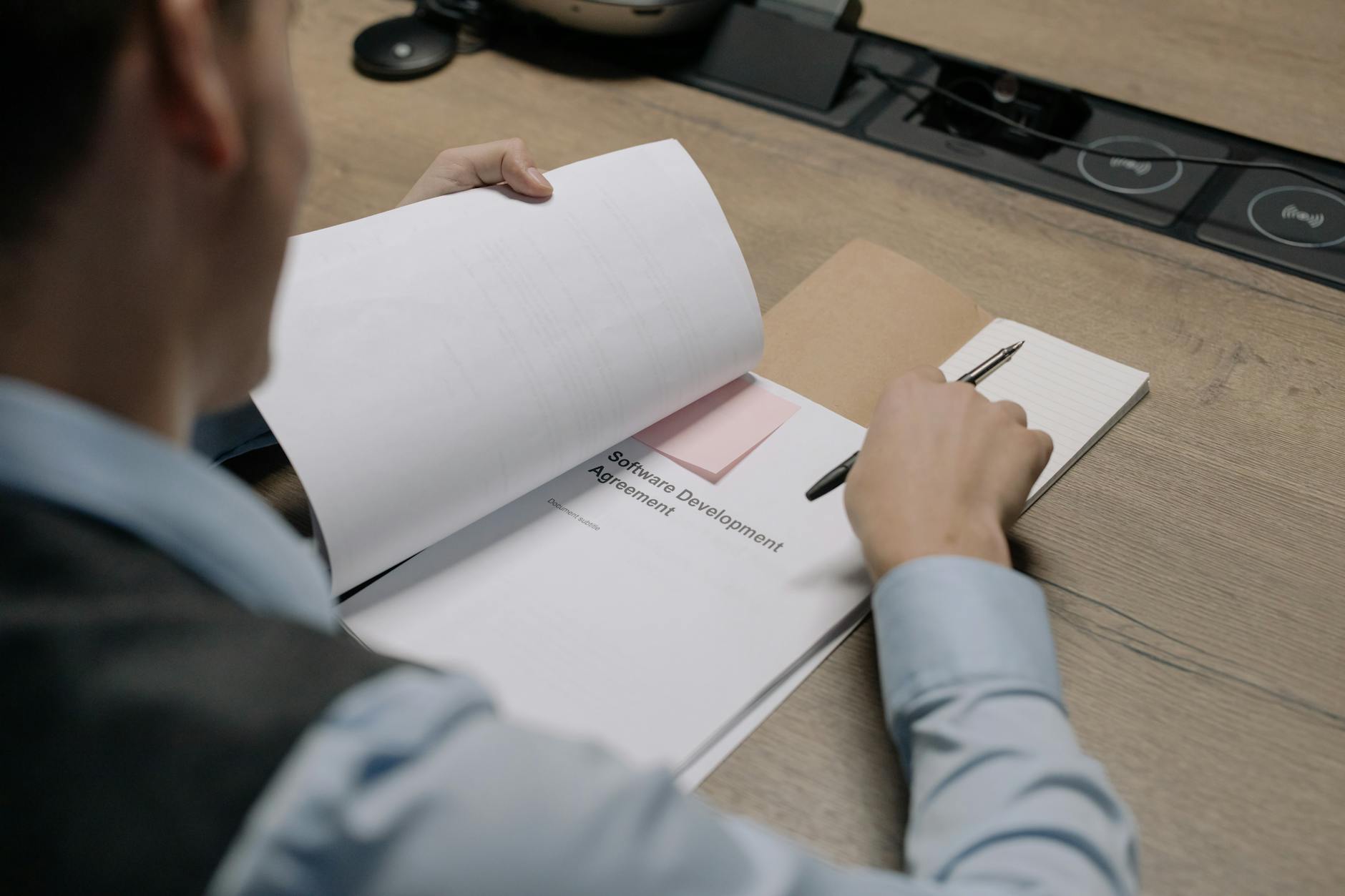
The reMarkable 2, launched in 2020, pioneered this category with its paper-like writing feel and distraction-free interface. The device deliberately omits web browsing, social media, and notifications, creating what the company calls a “digital sanctuary” for focused work. Professional users particularly appreciate the ability to mark up contracts, architectural plans, and research papers directly on screen.
Amazon recognized this shift with the Kindle Scribe, released in 2022. The device maintains Amazon’s reading ecosystem while adding handwriting recognition and note-taking capabilities. Users can write directly in book margins – something impossible with physical books – and their notes sync across all Kindle devices.
Kobo’s Elipsa takes a different approach, emphasizing library integration and audiobook support alongside note-taking features. The device connects to OverDrive, making it popular with library patrons who want to borrow digital books and annotate them extensively.
The Technology Behind the Transformation
Advanced e-ink displays make this productivity expansion possible. Modern e-paper screens refresh fast enough for smooth handwriting while maintaining the low power consumption and sunlight readability that made e-readers popular.
Wacom’s EMR (Electromagnetic Resonance) technology powers most digital paper styluses, allowing for pressure sensitivity and palm rejection without requiring battery power in the pen itself. This creates a more natural writing experience than capacitive styluses used on LCD tablets.
Processing power improvements also matter. While early e-readers used minimal processors to maximize battery life, digital paper tablets need enough computing power to handle PDF rendering, handwriting recognition, and document synchronization without sacrificing the weeks-long battery life users expect from e-ink devices.
The latest models achieve remarkable performance gains. The reMarkable 2 processes handwriting in real-time, converting notes to searchable text. Amazon’s Kindle Scribe can recognize handwritten text well enough to convert notes into typed summaries automatically.
Market Response and User Adoption
Early adopters include professionals who work with documents regularly – lawyers, architects, researchers, and consultants. These users appreciate having thousands of reference documents in a single lightweight device that doesn’t require charging for weeks.
Students represent another key demographic. Digital paper tablets let them carry entire textbook libraries while taking handwritten notes that integrate seamlessly with their reading. Many universities now recommend these devices for students in document-heavy programs like law and medicine.
The creative community has embraced digital paper for sketching and ideation. While the monochrome e-ink displays lack color, many artists prefer the focused, distraction-free environment for initial concepts and detailed line work.
Traditional e-reader users show more hesitation. Many bought Kindles specifically for their simplicity and long battery life. Adding productivity features can feel like unnecessary complexity, especially at higher price points. The Kindle Scribe starts at $339, while basic Kindle models cost under $100.
However, sales data suggests growing acceptance. Amazon doesn’t break out Kindle Scribe numbers, but analysts estimate the device captured significant market share in its first year. ReMarkable reports strong growth in corporate sales, with companies buying devices for employees who need to review documents frequently.
The Future of Digital Reading and Writing
Color e-ink technology represents the next major advancement. E Ink Corporation’s latest displays show vibrant colors while maintaining the paper-like appearance and low power consumption of monochrome screens. Early color e-paper tablets already exist, though they remain expensive and have slower refresh rates.
Integration with cloud services continues improving. Modern digital paper tablets sync notes and documents across devices automatically, making them part of broader productivity ecosystems rather than standalone tools. This connectivity addresses a key limitation of traditional e-readers, which often felt isolated from users’ other digital tools.
The rise of digital paper tablets also reflects changing attitudes toward screen time. As concerns about blue light exposure and digital wellness grow, devices that mimic paper become more appealing. Unlike smartphones or LCD tablets, e-ink screens don’t disrupt sleep patterns or cause eye fatigue during extended use.
This trend aligns with broader movements toward mindful technology use. Just as smart home devices are adding offline-first features to reduce dependence on internet connectivity, digital paper tablets offer connected productivity tools without constant notifications or distractions.
Traditional e-readers aren’t disappearing – they still excel for pure reading and remain more affordable. But digital paper tablets represent the evolution of e-ink technology beyond simple text display toward true paper replacement. As these devices become more capable and affordable, they’re likely to capture an increasing share of both the e-reader market and the broader tablet ecosystem.
The question isn’t whether digital paper will replace traditional e-readers, but how quickly consumers will embrace devices that combine the best aspects of paper and digital technology. For users who want to read, write, and create without digital distractions, the future is already here – it just looks remarkably like paper.
Frequently Asked Questions
How do digital paper tablets differ from regular e-readers?
Digital paper tablets feature larger screens, stylus support for handwriting, and productivity features while maintaining e-ink’s paper-like display and long battery life.
Are digital paper tablets worth the higher cost?
For professionals who work with documents or students taking extensive notes, the added functionality justifies the price premium over basic e-readers.
