


The laptop market stands at a transformative moment. Microsoft’s Surface Laptop Studio recently demonstrated what seemed impossible just two years ago: a Windows machine delivering genuine 20-hour battery life while maintaining performance that rivals traditional Intel and AMD systems. This breakthrough represents the culmination of years of development in Arm-based Windows computing, finally delivering on promises that have tantalized the industry since Microsoft’s first Surface RT stumbled in 2012.
The secret lies in a fundamental shift away from x86 architecture toward processors designed for efficiency first. Qualcomm’s Snapdragon X Elite and X Plus chips, built on advanced manufacturing processes and optimized for Windows 11, are rewriting the rules of laptop performance. Unlike previous attempts at Arm-based Windows devices, these new systems run native applications smoothly while sipping power at rates that would make a MacBook Air jealous.
The Architecture Revolution Behind Extended Battery Life
Traditional x86 processors from Intel and AMD were designed decades ago for desktop computing, where power consumption took a backseat to raw performance. Even modern mobile versions of these chips carry architectural baggage that limits efficiency gains. Arm processors, by contrast, were born in the mobile era with power efficiency as a core design principle.
Qualcomm’s latest Snapdragon X series demonstrates this fundamental difference. The chips integrate CPU cores, GPU, neural processing unit, and memory controllers on a single die manufactured using advanced 4-nanometer processes. This integration eliminates power-hungry data transfers between separate components while the smaller manufacturing process reduces voltage requirements across the entire system.
The neural processing unit deserves particular attention. Rather than relying on the main CPU for AI workloads like Windows 11’s background optimization tasks, these specialized cores handle machine learning operations at a fraction of the power cost. This architectural advantage becomes especially pronounced during light usage scenarios where traditional laptops waste energy spinning up high-performance cores for simple tasks.
Memory architecture plays an equally crucial role. These Arm-based systems utilize LPDDR5X memory that consumes significantly less power than standard DDR5 while maintaining comparable performance. The integrated memory controllers can dynamically adjust refresh rates and power states based on workload demands, something separate chipsets struggle to coordinate effectively.
Software Optimization Reaches Critical Mass
Hardware efficiency means nothing without software support, and Microsoft has quietly solved the compatibility puzzle that plagued earlier Windows on Arm attempts. The latest Windows 11 builds include a dramatically improved translation layer that converts x86 applications to Arm code in real-time, with performance overhead dropping to nearly negligible levels for most applications.
Major software vendors are now shipping native Arm versions of their applications. Adobe Creative Cloud, Microsoft Office, Google Chrome, and hundreds of other essential programs run natively without translation. This shift eliminates the performance penalties that made first-generation Windows on Arm devices feel sluggish compared to traditional laptops.
The gaming situation has improved substantially as well. While these systems won’t replace dedicated gaming laptops, the integrated Adreno GPUs handle casual gaming and older titles surprisingly well. Microsoft’s partnership with game developers has resulted in native Arm versions of popular titles, while the translation layer handles legacy games with acceptable performance for portable gaming sessions.
Perhaps most importantly, Windows 11’s power management has evolved specifically for these Arm processors. The operating system can now put individual cores to sleep independently, scale processor frequencies more granularly, and coordinate with the neural processing unit to predict usage patterns. These optimizations work seamlessly in the background, extending battery life without user intervention.
Real-World Performance Matches Efficiency Claims
Laboratory battery tests often paint unrealistic pictures of real-world usage, but recent Arm-based Windows laptops are delivering on their efficiency promises in practical scenarios. Users report genuine all-day battery life during typical productivity workloads, with many systems easily exceeding 15 hours of mixed usage including web browsing, document editing, video streaming, and light creative work.
The performance story proves equally compelling. Modern Arm processors deliver single-core performance that matches or exceeds mid-range Intel and AMD chips while maintaining this performance level throughout the battery cycle. Unlike traditional laptops that throttle significantly when running on battery power, these Arm-based systems maintain consistent performance regardless of power source.
Video editing represents a particularly interesting case study. While not matching the raw power of high-end x86 workstations, these systems handle 4K video editing with surprising competence. The dedicated media encoders and neural processing units accelerate common editing tasks while consuming minimal power, making them viable for content creators who prioritize portability over maximum performance.
The productivity performance advantage becomes most apparent during extended work sessions. Traditional laptops often require power management compromises that reduce performance, dim displays, or throttle background tasks to extend battery life. Arm-based systems maintain full performance and display brightness for dramatically longer periods, eliminating the constant battery anxiety that plagues traditional laptop users.
This shift mirrors similar developments in desktop computing, where AMD’s recent processor improvements have challenged Intel’s long-standing dominance through architectural innovations rather than brute force performance increases.
Market Impact and Industry Response
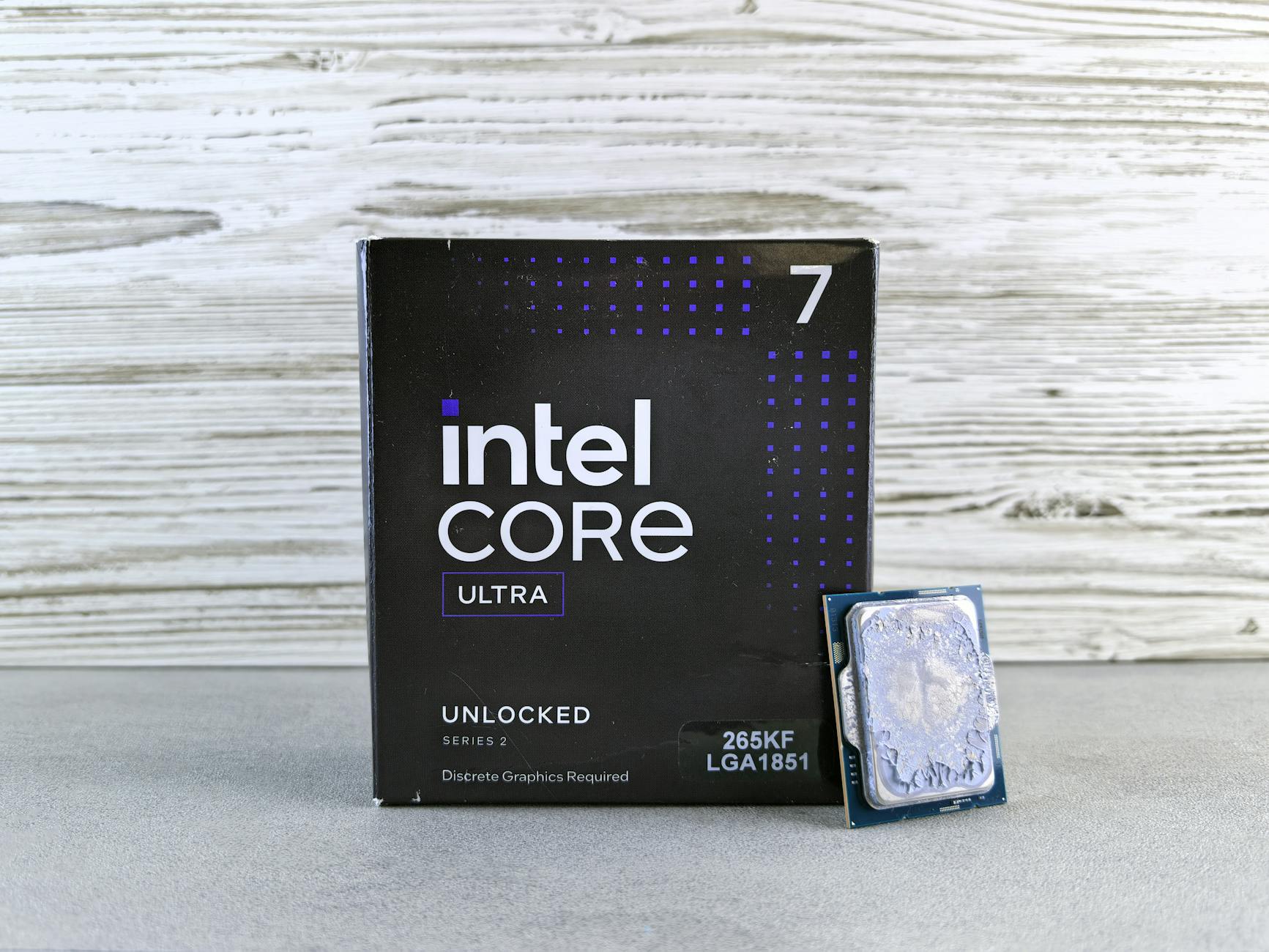
The success of Arm-based Windows laptops has forced Intel and AMD to accelerate their own efficiency initiatives. Intel’s upcoming Meteor Lake architecture promises significant power improvements, while AMD continues refining their mobile processor designs. However, both companies face the challenge of retrofitting efficiency improvements onto fundamentally power-hungry x86 architectures.
Apple’s success with their M-series processors provided the blueprint, but Windows presents unique challenges due to software compatibility requirements and diverse hardware ecosystems. Microsoft’s gradual but persistent development of Windows on Arm has finally reached the tipping point where performance and compatibility concerns no longer outweigh the substantial battery life advantages.
Enterprise adoption appears poised for significant growth. Remote workers increasingly prioritize battery life over maximum performance, and these systems deliver productivity performance that meets most business needs while eliminating range anxiety during long workdays or travel. The enhanced security features built into modern Arm processors also appeal to enterprise IT departments concerned about hardware-level security vulnerabilities.
Consumer adoption faces different challenges, primarily around brand recognition and user education. Many potential buyers remain unaware of the performance improvements in recent Arm-based systems, associating them with earlier disappointing attempts. However, as major manufacturers like Dell, HP, and Lenovo expand their Arm-based offerings, market awareness is growing rapidly.
The trajectory appears clear: Arm-based Windows laptops have crossed the performance threshold necessary for mainstream adoption while delivering battery life that fundamentally changes how users interact with portable computers. This represents more than an incremental improvement – it’s a paradigm shift that makes genuine all-day computing finally achievable without compromise.
As manufacturers continue refining these systems and software compatibility reaches complete parity, the 20-hour laptop may soon become the standard rather than the exception. The question is no longer whether Arm-based Windows laptops can deliver on their efficiency promises, but how quickly traditional x86 systems can adapt to compete in this new landscape of expectation-defying battery performance.
Frequently Asked Questions
Do Arm-based Windows laptops run all programs?
Yes, modern Windows on Arm systems run most applications either natively or through improved translation layers with minimal performance impact.
How does battery life compare to Intel laptops?
Arm-based Windows laptops typically achieve 15-20+ hours of real-world usage compared to 6-10 hours for comparable Intel systems.
