


The desktop processor wars have entered a new era. After nearly two decades of Intel’s dominance in single-core performance, AMD’s latest Ryzen processors are consistently outpacing Intel’s flagship chips in benchmark after benchmark. This shift represents more than just bragging rights – it signals a fundamental change in how desktop computing performance is measured and delivered.
The numbers tell a compelling story. AMD’s Ryzen 9000 series processors, built on the refined Zen 5 architecture, are posting single-core scores that surpass Intel’s 14th generation Core processors by margins of 5-15% across popular benchmarks like Cinebench R24 and Geekbench. For users who rely on applications that can’t effectively utilize multiple cores – think older games, certain productivity software, and legacy applications – this represents the first time in years that AMD offers the fastest option available.
The Architecture Behind AMD’s Single-Core Victory
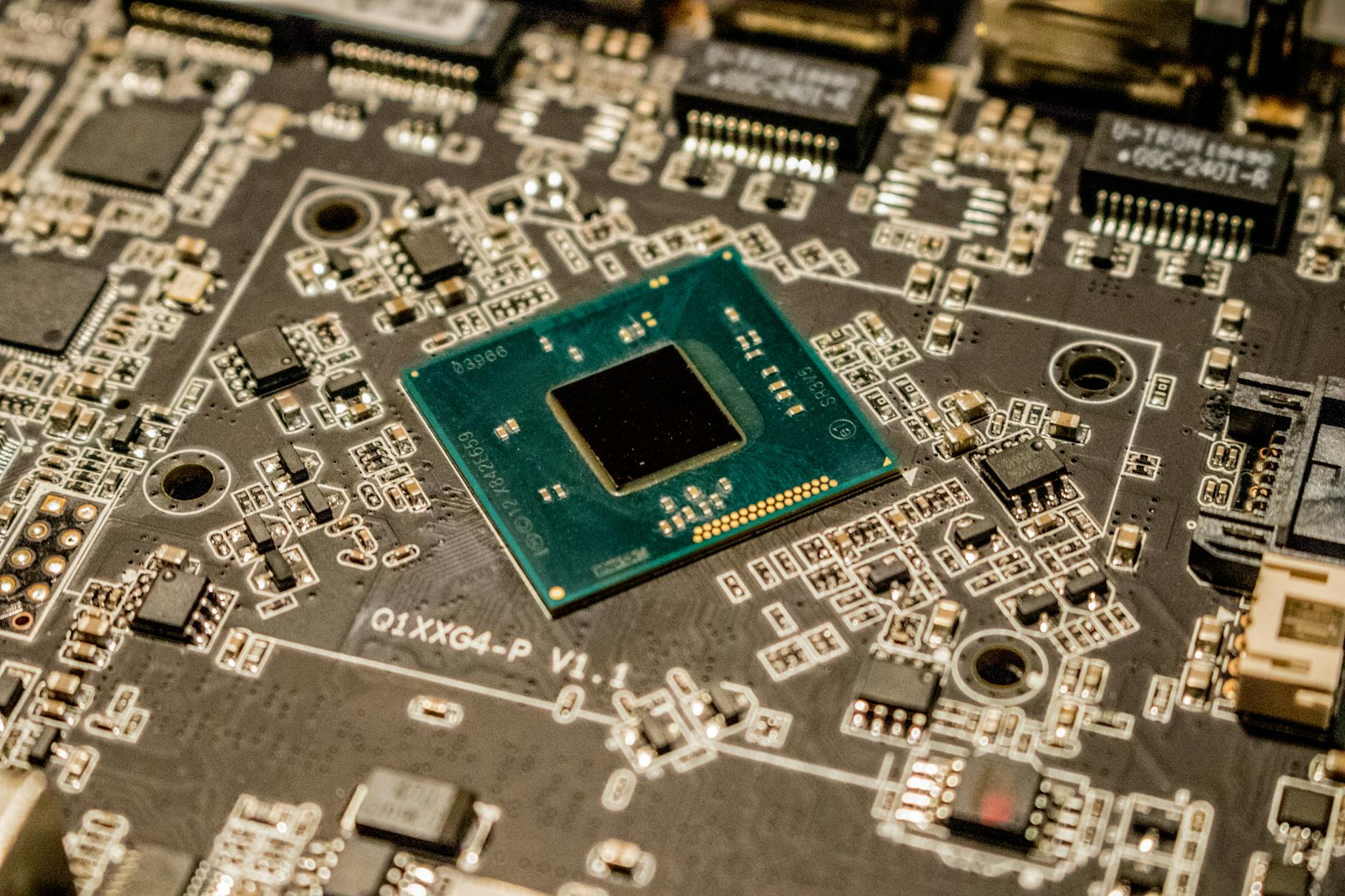
AMD’s breakthrough comes from years of refinement to their Zen architecture. The Zen 5 cores in the Ryzen 9000 series feature improved instruction per clock (IPC) performance, better branch prediction, and enhanced cache hierarchies that work together to squeeze maximum performance from each individual core.
The secret lies in AMD’s approach to clock speeds and efficiency. While Intel has pushed their processors to higher base and boost clocks, often requiring significant power consumption, AMD has focused on doing more work per clock cycle. The Ryzen 9 9950X, for example, can boost individual cores to frequencies that match or exceed Intel’s offerings while maintaining better thermal characteristics.
Manufacturing also plays a crucial role. AMD’s partnership with TSMC for their advanced process nodes has yielded dividends. The Zen 5 architecture is built on TSMC’s refined process technology, which allows for better transistor density and improved power efficiency compared to Intel’s in-house manufacturing. This translates directly to higher sustainable boost clocks and better single-core performance under real-world conditions.
Cache improvements deserve special attention. AMD has redesigned their L1, L2, and L3 cache systems to reduce latency and improve hit rates. The result is that processors spend less time waiting for data and more time executing instructions, particularly beneficial for single-threaded workloads where one core needs rapid access to frequently used data.
Gaming Performance Sees Immediate Benefits
Gamers are experiencing the most immediate impact of AMD’s single-core improvements. Many popular games still rely heavily on single-core performance, particularly for physics calculations, AI processing, and main game loop execution. Titles like Counter-Strike 2, Valorant, and even newer games like Cyberpunk 2077 show measurable frame rate improvements when running on AMD’s latest processors compared to Intel alternatives.
The gaming advantage extends beyond raw frame rates. AMD’s improved single-core performance translates to better minimum frame rates and reduced stuttering in demanding scenarios. When a game hits a CPU-intensive moment – a large explosion, complex physics interaction, or AI-heavy sequence – having stronger single-core performance means these moments cause less disruption to the overall gaming experience.
Streaming while gaming has become another area where AMD’s single-core improvements shine. Content creators who stream their gameplay often dedicate specific cores to encoding tasks while reserving others for the game itself. With stronger individual cores, streamers can maintain higher game performance while encoding higher quality streams.

Professional Applications Benefit from the Shift
The professional computing landscape is seeing significant changes as well. Software developers working with single-threaded compilation tasks, 3D artists using applications that rely on strong single-core performance for viewport responsiveness, and financial analysts running complex single-threaded calculations are all experiencing productivity improvements with AMD’s latest offerings.
Adobe’s Creative Suite presents an interesting case study. While many of Adobe’s applications have embraced multi-core processing, certain operations remain stubbornly single-threaded. Opening large Photoshop files, certain After Effects operations, and Lightroom’s image processing pipeline all benefit from stronger single-core performance. Users switching from Intel to AMD’s latest processors report noticeable improvements in these specific workflows.
The shift has implications for browser-based applications as well. As web applications become more sophisticated, they often rely on single-threaded JavaScript execution for critical operations. Video conferencing, online gaming, and complex web applications all see performance improvements on AMD’s latest processors.
Database applications present another compelling use case. Many database operations, particularly complex queries and index operations, benefit significantly from strong single-core performance. IT administrators and data analysts working with large datasets report improved query response times when using AMD’s latest processors.
Intel’s Response and Market Implications
Intel isn’t sitting idle in response to AMD’s single-core performance gains. The company’s roadmap includes significant architectural improvements planned for their upcoming generations. Intel’s focus on their hybrid architecture approach – combining performance and efficiency cores – represents their strategy for competing across different workload types simultaneously.
The competition has broader implications for the desktop market. For years, users could safely assume Intel processors would deliver the best single-core performance, making processor selection decisions relatively straightforward for certain use cases. Now, buyers must consider their specific needs more carefully, evaluating benchmark results and real-world performance data before making purchasing decisions.
System integrators and OEMs are adjusting their product lineups accordingly. Companies that build high-performance workstations and gaming systems are increasingly offering AMD options as their flagship single-core performance choices. This represents a significant shift in market positioning that hasn’t been seen since AMD’s original Athlon processors challenged Intel in the early 2000s.
The pricing dynamics have shifted as well. AMD’s processors typically offer strong value propositions, but their single-core performance leadership allows them to compete directly with Intel’s premium offerings. This creates more competitive pricing across the entire desktop processor market, ultimately benefiting consumers regardless of which brand they choose.

Looking Forward: The New Desktop Computing Landscape
AMD’s single-core performance victory represents more than a temporary advantage – it signals a maturation of their processor architecture that positions them competitively for future computing demands. As applications continue evolving to take advantage of both single-core speed and multi-core parallelism, having leadership in both areas gives AMD significant flexibility.
The timing coincides with broader trends in desktop computing, including the growth of Linux desktop adoption and increasing demands for processing power in creative workflows. Users who previously chose Intel processors purely for single-core performance now have compelling alternatives that may better suit their overall computing needs.
Future processor generations will likely see continued competition in this space, with both companies pushing architectural improvements and manufacturing advances. For consumers, this competition translates to better performance options and more compelling value propositions across the entire desktop processor market. The era of assuming one company’s automatic superiority in any performance category appears to be ending, replaced by a more dynamic competitive landscape that benefits everyone who depends on desktop computing power.
Frequently Asked Questions
How much faster are AMD’s new processors in single-core performance?
AMD’s Ryzen 9000 series shows 5-15% improvements over Intel’s 14th generation processors in single-core benchmarks.
Which applications benefit most from improved single-core performance?
Gaming, older software, certain Adobe applications, and single-threaded professional workloads see the biggest improvements.
